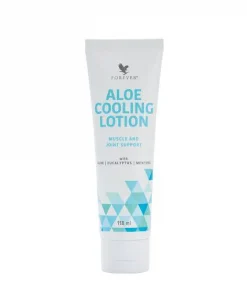
 ALOE COOLING LOTION
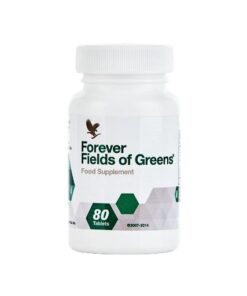 Fields Of Greens
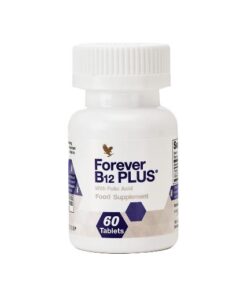 Forever B12 Plus
Blog
The Ultimate Guide to Organic Makeup: Benefits, Ingredients, and Best Practices

17
Jan
Jan
Organic makeup has transformed the beauty industry by offering natural, eco-conscious alternatives to traditional cosmetics. This comprehensive guide explores everything about organic makeup, from its benefits to ingredients, ethical considerations, and the best practices for choosing and using these products.
What Is Organic Makeup?
Organic makeup refers to cosmetics made from natural ingredients that are cultivated without synthetic chemicals, pesticides, or genetically modified organisms (GMOs). These products prioritise skin health and sustainability, avoiding harmful additives commonly found in conventional makeup.
Key Features of Organic Makeup
- Natural Ingredients: Sourced from plants, minerals, and other natural resources.
- Chemical-Free: Free from synthetic preservatives, parabens, and sulfates.
- Cruelty-Free: Often not tested on animals and certified by organisations like Leaping Bunny.
- Eco-Friendly: Manufactured using sustainable practices with biodegradable or recyclable packaging.
Organic vs. Natural Makeup
It’s important to distinguish between organic and natural makeup. While both emphasise natural ingredients, organic makeup ensures these are grown without synthetic pesticides or fertilisers. Natural makeup may still contain some non-organic or synthetic elements.

Why Choose Organic Makeup?
Switching to organic makeup offers a host of benefits for your skin, your health, and the environment. Here are the key reasons why organic cosmetics are worth considering:
1. Skin Health
Conventional makeup often contains synthetic chemicals that can irritate the skin or clog pores. Organic makeup, on the other hand, is rich in natural antioxidants, vitamins, and minerals that nourish the skin and prevent irritation.
2. Reduces Exposure to Toxins
Many traditional cosmetics include harmful additives like parabens, phthalates, and synthetic fragrances linked to hormonal disruptions and allergic reactions. Organic products eliminate these risks.
3. Eco-Conscious and Sustainable
Organic farming practices promote soil health, biodiversity, and water conservation. Choosing organic makeup reduces your ecological footprint.
4. Ethical Considerations
Most organic makeup brands are committed to cruelty-free practices, ensuring no animals are harmed during production.
5. Biodegradable Ingredients
Organic ingredients are often biodegradable, making them less harmful to aquatic ecosystems once washed away.
Understanding Organic Makeup Ingredients
Organic makeup focuses on using high-quality, natural ingredients. Here is an overview of the most common components and their benefits:
Common Organic Ingredients
| Ingredient | Benefit |
|---|---|
| Aloe Vera | Hydrates and soothes sensitive skin. |
| Shea Butter | Deeply moisturises and reduces dryness. |
| Jojoba Oil | Balances oil production and hydrates the skin. |
| Coconut Oil | Anti-bacterial properties and intense hydration. |
| Mineral Pigments | Natural colouring without synthetic dyes. |
| Green Tea Extract | Reduces inflammation and protects against free radicals. |
Ingredients to Avoid in Conventional Makeup
| Harmful Ingredient | Reason to Avoid |
| Parabens | Linked to hormonal disruptions. |
| Sodium Lauryl Sulfate | Causes skin irritation and dryness. |
| Synthetic Fragrances | May trigger allergies and respiratory issues. |
| Phthalates | Associated with developmental and reproductive harm. |

How Organic Makeup Is Made
1. Sourcing High-Quality Ingredients
Organic makeup begins with the cultivation of natural ingredients from certified organic farms. These farms follow stringent guidelines to ensure no synthetic pesticides, herbicides, or GMOs are used. Common ingredients like aloe vera, shea butter, and mineral pigments are carefully harvested to preserve their natural benefits.
2. Ethical Production Practices
Manufacturing organic makeup involves sustainable methods that prioritise energy efficiency and minimal waste. Many brands utilise renewable energy sources and implement water conservation practices. The production process often includes:
- Small-batch production to maintain quality.
- Transparent supply chains to ensure fair treatment of workers.
3. Natural Preservation Techniques
Unlike conventional cosmetics that rely on synthetic preservatives, organic makeup uses natural alternatives such as vitamin E, rosemary extract, or citrus oils to prolong shelf life. These preservatives are gentle on the skin and environmentally friendly.
4. Certification and Quality Assurance
Before reaching consumers, organic makeup undergoes rigorous testing to ensure compliance with certifications like USDA Organic, COSMOS, and ECOCERT. These certifications guarantee:
- Ingredient authenticity.
- Adherence to organic farming standards.
- Safety and efficacy for consumer use.
5. Sustainable Packaging Solutions
Eco-friendly packaging is a hallmark of organic makeup. Brands often choose recyclable materials like glass or aluminium, biodegradable plastics, and refillable containers. This reduces environmental impact and aligns with the values of eco-conscious consumers.
Organic makeup production focuses on ethical and sustainable methods. The key steps include:

How to Choose the Best Organic Makeup
1. Certifications to Look For
Certifications provide assurance that the product meets strict organic standards. Look for:
- USDA Organic: Guarantees at least 95% organic content.
- COSMOS Organic: A trusted European standard for organic beauty.
- ECOCERT: Covers both organic and natural cosmetics.
- Soil Association: Ensures sustainable farming and ethical practices.
- Leaping Bunny: Confirms cruelty-free production.
2. Matching Products to Skin Type
Selecting organic makeup that suits your skin type enhances effectiveness and comfort:
- Dry Skin: Choose hydrating foundations and concealers with shea butter or aloe vera.
- Oily Skin: Opt for lightweight, mattifying formulas that are non-comedogenic.
- Sensitive Skin: Prioritise fragrance-free and hypoallergenic products with soothing ingredients like chamomile.
3. Evaluating Packaging Sustainability
Packaging plays a significant role in a product’s environmental impact. Consider:
- Recyclable Materials: Glass, aluminium, or easily recyclable plastics.
- Refillable Options: Brands like Kjaer Weis offer refillable products to reduce waste.
- Biodegradable Packaging: Emerging as an eco-friendly trend for organic brands.
4. Understanding Product Labels
Properly reading and understanding labels ensures you’re buying authentic organic makeup. Key points include:
- Ingredient Order: Ingredients are listed in descending order by weight. Ensure organic ingredients are prominent.
- Avoid Misleading Terms: Terms like “natural-inspired” may not guarantee organic content.
- Spot Key Certifications: Confirm recognised organic certifications on the label.
5. Brand Transparency
Choose brands that openly share their sourcing practices, ingredient origins, and manufacturing processes. Transparent brands often provide additional insights into their ethical and environmental efforts.
Must-Have Organic Makeup Products
1. Organic Foundation
A cornerstone of any makeup routine, organic foundations provide a smooth base while hydrating and protecting the skin. Look for options with SPF and natural mineral pigments to even out skin tone naturally.
2. Organic Concealer
Ideal for covering blemishes, dark circles, and redness, organic concealers combine effective coverage with skin-friendly, non-toxic ingredients like aloe vera and jojoba oil.
3. Organic Lipstick
Organic lipsticks offer vibrant colour without synthetic dyes or harmful additives. They are infused with hydrating oils such as coconut or argan oil, leaving lips moisturised and soft.
4. Organic Mascara
Enhance your lashes with organic mascaras made from plant-based waxes and mineral pigments. These formulas avoid irritating chemicals and are ideal for sensitive eyes.
5. Organic Blush and Bronzer
Add a natural glow with organic blushes and bronzers crafted from pure mineral pigments. These products provide a healthy-looking complexion while nourishing the skin.
6. Organic Eyeshadow
Available in a variety of shades, organic eyeshadows use natural pigments to create stunning looks without the use of talc or synthetic fillers.
Top Organic Makeup Brands to Explore
Luxury Organic Brands
Luxury UK-based organic makeup brands seamlessly combine sustainability with premium quality:
- Absolution Cosmetics: Known for its luxurious, certified organic makeup and commitment to eco-friendly practices.
- Inika Organic: Offers 100% natural and vegan-certified products with a sophisticated finish.
Affordable Organic Options
For budget-conscious beauty lovers, these UK brands provide affordable yet high-quality organic options:
- Lily Lolo: Renowned for its natural mineral makeup that’s both affordable and cruelty-free.
- PHB Ethical Beauty: Family-run and offering a diverse range of certified organic cosmetics at budget-friendly prices.
Emerging Organic Makeup Brands
Explore the rising stars of the UK organic makeup industry:
- Zao Organic Makeup: A leader in refillable makeup solutions with eco-friendly bamboo packaging and organic formulations.
- Pure Anada UK: Focused on handcrafted, natural makeup with an emphasis on sustainability and inclusivity.
These UK-based brands highlight the best of organic beauty, offering options for every budget while maintaining a strong commitment to sustainability and quality.
4. Spotlight on OrganicFace UK
One of the top contenders in the organic makeup space is OrganicFace UK. This brand is renowned for its wide range of eco-friendly and effective beauty products. They also feature the Forever Living collection, offering some of the best organic beauty products for holistic skincare and makeup needs.
By exploring these brands, you can find organic makeup solutions that suit your style, budget, and values.

The Role of Knowledge Graphs in Organising Organic Makeup Data
Understanding and organising the vast amount of information in the organic makeup industry can be enhanced using knowledge graphs. These graphs link entities such as ingredients, brands, certifications, and their relationships to create meaningful connections.
How Knowledge Graphs Can Help
1. Ingredient Analysis
Knowledge graphs enable detailed analysis of organic makeup ingredients by linking them to their properties and benefits. For example:
- Aloe Vera: Identified as soothing and hydrating for sensitive skin.
- Green Tea Extract: Linked to anti-inflammatory properties that benefit acne-prone skin.
2. Certification Mapping
Using knowledge graphs, consumers and brands can track certifications and their standards:
- USDA Organic: Ensures the product is 95% organic.
- COSMOS Organic: Guarantees adherence to European organic standards.
- Leaping Bunny: Confirms cruelty-free practices.
3. Brand Comparison
Knowledge graphs highlight similarities and differences among organic makeup brands, such as:
- Ingredient sourcing.
- Commitment to sustainability.
- Consumer reviews and feedback.
4. Consumer Insights and Recommendations
By integrating entity-oriented search techniques, knowledge graphs can:
- Suggest products based on individual skin types and preferences.
- Highlight trending brands and ingredients in the organic beauty space.
These capabilities make knowledge graphs an invaluable tool for organising and navigating the vast data within the organic makeup industry.
Future Trends in Organic Makeup
1. Advanced Sustainability
The organic makeup industry is embracing innovations that reduce environmental impact. Key advancements include:
- Biodegradable Packaging: Many brands are moving towards using plant-based and compostable materials.
- Zero-Waste Production: Cutting-edge manufacturing processes aim to eliminate waste by reusing by-products and optimising resource use.
- Refillable Systems: More brands are introducing refillable packaging options to encourage sustainable consumer habits.
2. Personalisation and AI Integration
Personalisation is becoming a major focus in the organic beauty space. With the help of AI-driven tools, consumers can:
- Skin Analysis: Use apps to analyse skin type and conditions, recommending tailored organic products.
- Customised Formulations: AI tools are enabling brands to create bespoke makeup based on individual preferences and needs.
3. Technology in Transparency
Transparency is a growing demand among conscious consumers. The use of technology is ensuring better accountability through:
- Blockchain for Ingredient Tracking: Ensures every component in a product can be traced back to its ethical and sustainable source.
- Digital Labelling: QR codes on products now provide detailed information about sourcing, production, and certifications.
4. Growing Emphasis on Multifunctionality
Consumers are increasingly seeking makeup that offers multiple benefits. Emerging trends include:
- Hybrid Products: Combining skincare benefits with makeup functionality, such as SPF-infused foundations or hydrating lip colours.
- Minimalist Routines: Products designed for multifunctional use, such as cheek and lip tints, are gaining popularity.
5. Expansion into New Markets
The global demand for organic makeup is growing, leading to:
- Regional Adaptation: Brands are tailoring products to suit the skin tones, preferences, and climates of diverse markets.
- Online Marketplaces: Digital platforms are making organic makeup accessible to a wider audience globally.
These trends highlight a transformative future for organic makeup, where sustainability, technology, and consumer-centric innovations will lead the way.
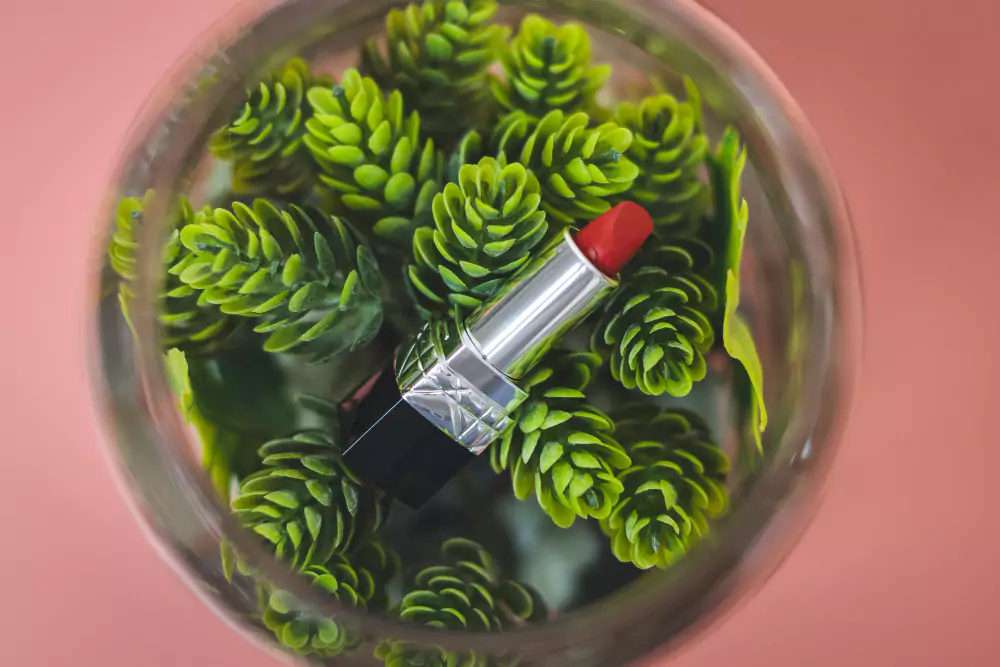
Final Thoughts
Organic makeup is not just a beauty trend but a movement toward sustainable, ethical, and health-conscious living. By choosing organic products, you are investing in your skin’s health and contributing to a more sustainable planet. Use the insights shared in this guide to make informed decisions and embrace the world of organic beauty confidently.
Embracing Organic Makeup
Organic makeup represents more than a shift in beauty trends; it is a commitment to health, sustainability, and ethical living. These products promote skin health while reducing exposure to harmful chemicals and supporting eco-conscious farming practices.
Key Takeaways
- Health Benefits: Organic makeup nourishes the skin with natural antioxidants and vitamins.
- Sustainability: Choosing organic products supports environmentally friendly practices, from ingredient sourcing to packaging.
- Ethical Values: Many organic brands prioritise cruelty-free and fair-trade principles.
Making the Switch
Transitioning to organic makeup doesn’t have to be overwhelming. Start with essential products like foundation or lipstick and gradually build a full organic makeup collection. Consider a trusted UK organic makeup brand for high-quality, eco-friendly options.
Looking Ahead
The future of organic makeup is bright, with innovations in AI-driven personalisation, multifunctional products, and sustainable packaging leading the charge. By choosing organic, you are contributing to a beauty industry that values both people and the planet.
Informed decisions today pave the way for a healthier and more sustainable tomorrow. Embrace the organic beauty movement with confidence and style.
Organic makeup is not just a beauty trend but a movement toward sustainable, ethical, and health-conscious living. By choosing organic products, you are investing in your skin’s health and contributing to a more sustainable planet. Use the insights shared in this guide to make informed decisions and embrace the world of organic beauty confidently.